


Steampunk Materials 101: Making the Style Authentic
Affiliate Disclosure: This article may contain affiliate links. If you purchase through these links, Airship Deluxe may earn a small commission at no additional cost to you.
Steampunk interiors succeed or fail long before gears, gadgets, or decoration enter the picture. At its core, the style depends on materials that feel grounded in an alternate industrial past, materials with weight, texture, and a sense of age. When those foundations are right, even simple spaces can feel convincingly steampunk. When they are wrong, no amount of ornamentation can fully save the illusion.
This guide focuses on the materials that do the real work in steampunk interiors. Metals like brass and iron, natural elements like wood and leather, and the finishes that give them character over time. Rather than prescribing strict rules, the goal here is to build material literacy so you can recognize what feels authentic, what feels decorative, and why the difference matters in a lived-in space.
By understanding how materials shape atmosphere and believability, you can make more intentional choices, whether you are furnishing an entire room or refining a single piece.
Use the links below to jump to specific materials or sections:
What Makes a Material Feel Steampunk?
Not every brass-colored surface or industrial-looking finish feels steampunk. Materials succeed in this style when they satisfy a few underlying qualities that go beyond appearance alone.
Weight and Density
Steampunk materials tend to feel solid and substantial. Metals should suggest mass rather than thinness, and wood should appear structural rather than decorative. Even when substitutes are used, the illusion of weight matters. Lightweight materials often break the atmosphere before anything else does.
Surface Aging and Patina
Age is central to the steampunk aesthetic. Authentic materials develop wear, oxidation, and texture over time. Surfaces that look perfectly uniform or freshly painted tend to feel modern, even when the color palette is correct. Subtle variation usually reads as more believable than heavy artificial distressing.
Mechanical Honesty
Steampunk favors materials that look capable of real function. Metal should resemble metal, leather should look worked and flexible, and wood should show grain and depth. Materials that appear to imitate something structural without convincing texture often feel decorative rather than grounded.
Era Compatibility
Steampunk draws from a period before plastics and sealed electronics dominated everyday objects. Materials that plausibly existed in the late nineteenth or early twentieth century feel naturally at home. This does not mean modern materials are forbidden, but they work best when they support the illusion rather than call attention to themselves.
Together, these qualities explain why some spaces feel convincingly steampunk with very little ornamentation, while others struggle despite heavy use of gears and decoration.
Brass and Copper
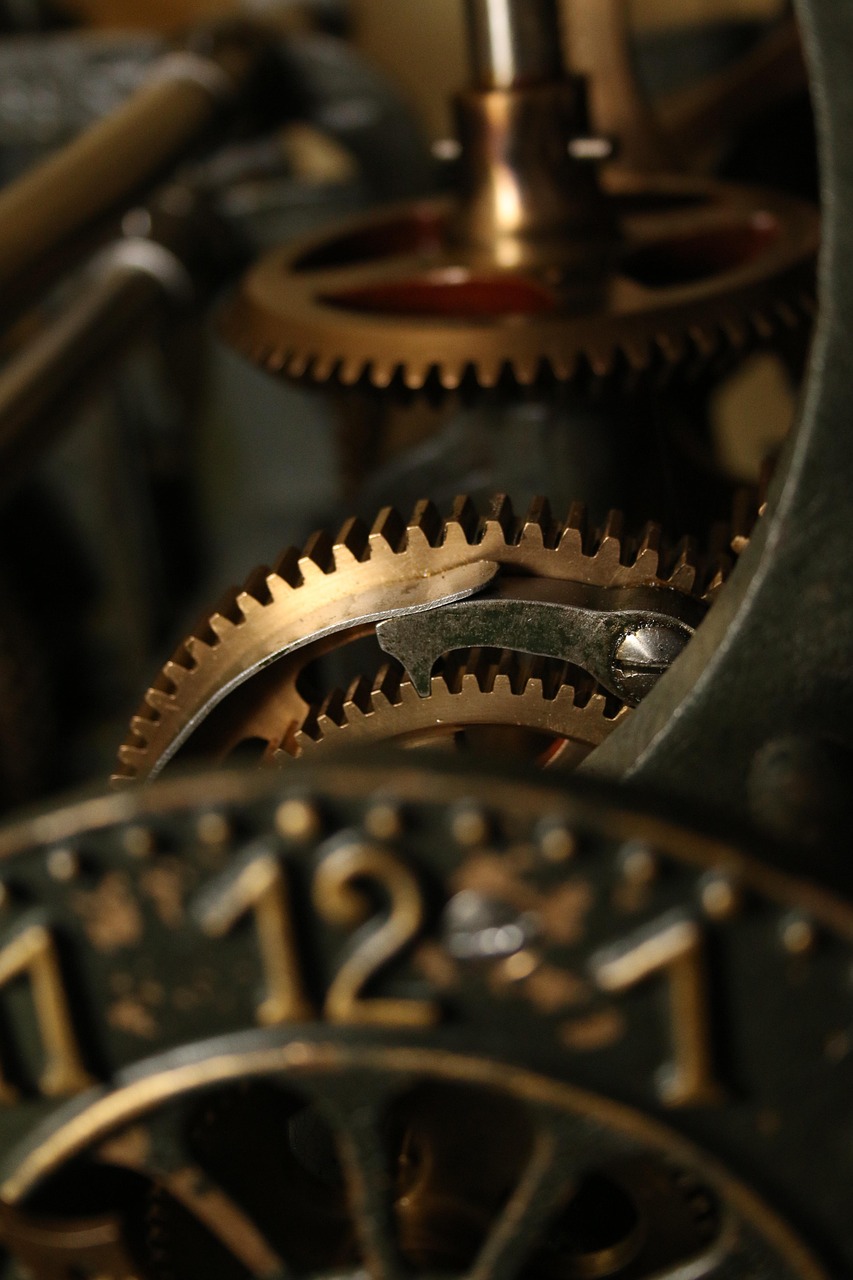
Brass and copper form the warm metallic backbone of many steampunk interiors. Together, they balance mechanical credibility with visual richness, helping spaces feel industrial without becoming harsh or sterile.
Why Brass and Copper Work
Historically, both metals were widely used in instruments, machinery, lighting, plumbing, and early electrical systems. Brass brings refinement and precision, while copper introduces raw utility and warmth. Used together, they echo the functional elegance of Victorian-era technology.
What Authentic Brass and Copper Look Like
Real brass has depth and variation. It reflects light unevenly and often darkens subtly in creases and edges. Copper tends to show even more dramatic aging, shifting from bright orange to deep brown or green over time. Neither metal looks perfectly uniform when authentic.
Common Cheap Mistakes
Painted gold finishes and thin metallic coatings often fail to capture the texture and weight of real metal. With copper, bright orange tones without variation can feel toy-like. When scratches expose plastic or a different base color, the illusion breaks immediately.
When Decorative Substitutes Can Work
Brass- or copper-toned finishes can still work as secondary elements. Lamp housings, pipe accents, trim pieces, and exposed wiring details often succeed if the finish is muted and the object feels visually substantial. Substitutes work best when they do not pretend to be structural.
Care and Aging Notes
Brass and copper do not rust like iron. Instead, they oxidize and develop patina, a surface change that alters color and texture over time. This aging is often desirable in steampunk interiors because it signals use, history, and mechanical realism rather than decay. Unlike rust, patina is generally stable and often protective, which is why it is embraced rather than corrected in steampunk interiors

On brass, patina usually appears as a gradual darkening. Bright gold tones soften into warmer browns, muted yellows, or deeper amber shades. Darkening often gathers in seams, corners, and engraved details first, while raised areas remain lighter from handling and friction.
Copper patina is more dramatic and easier to spot. Fresh copper is bright and reddish, but over time it can deepen into dark brown, charcoal, or even greenish-blue tones. Early patina often looks blotchy or mottled before settling into a more even, aged surface. This variation is normal and often visually appealing.
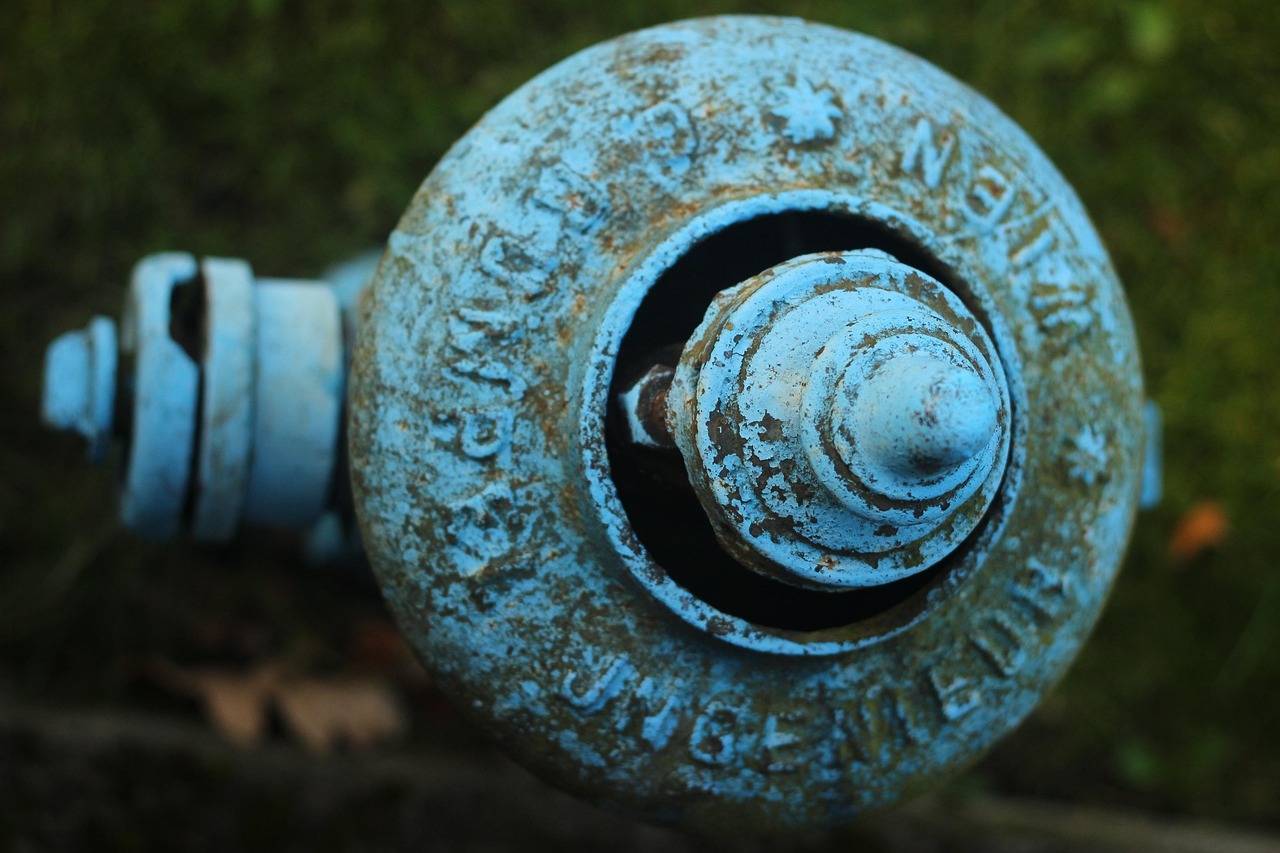
Patina can be managed rather than eliminated. Regular polishing keeps surfaces bright, while minimal intervention allows natural aging. Some pieces benefit from partial patina, where recessed areas darken and exposed edges stay lighter. This creates depth without neglect. What matters most is consistency. A space should feel intentionally aged, not unevenly forgotten.
Iron and Aged Steel
If brass and copper provide warmth, iron and steel provide weight. These materials anchor steampunk interiors by suggesting structure, durability, and mechanical seriousness. Used well, they prevent the style from drifting into ornament alone.
Why Iron and Aged Steel Work
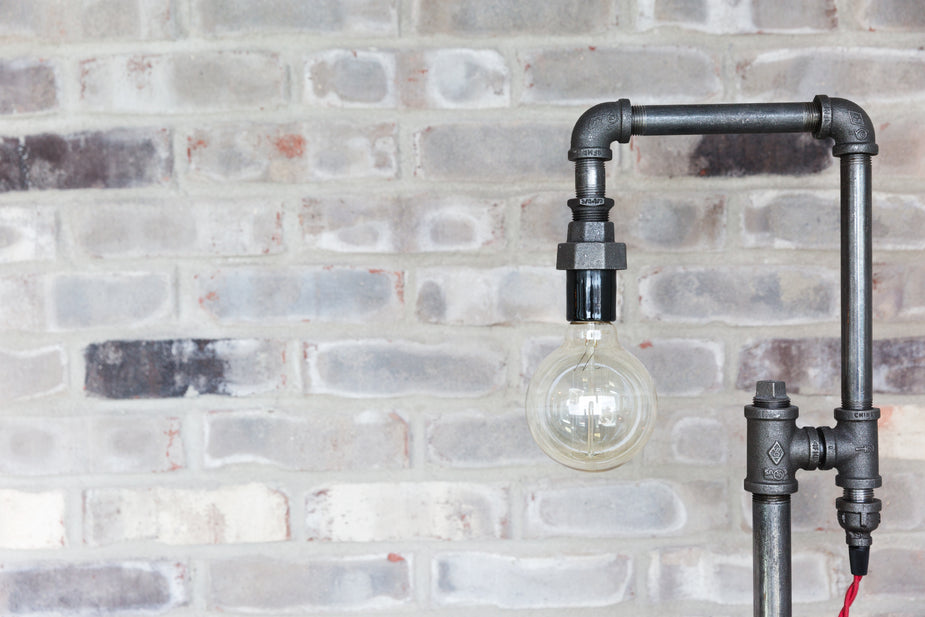
Iron and early steel were fundamental to industrial infrastructure, machinery, tools, and architecture. In steampunk interiors, they communicate strength and permanence. Their darker tones also create contrast against warmer metals, helping spaces feel layered rather than monochrome.
What Authentic Iron and Steel Look Like
Real iron and steel rarely look pristine. Surfaces tend to be matte or semi-matte, with subtle texture from casting, forging, or wear. Edges may appear softened rather than sharp, and finishes often vary slightly across a single piece. Even treated steel usually shows some irregularity when viewed closely.
Common Pitfalls and Acceptable Substitutes
Thin steel painted black or gray often lacks the visual depth of real iron. Overly glossy finishes tend to feel modern and synthetic. Faux rust effects that look uniform or orange-heavy can also break the illusion, especially when they appear applied rather than naturally developed.
Steel-look finishes can work well for frames, brackets, lamp arms, and hardware when the pieces feel substantial and restrained. Substitutes are most convincing when they support structure rather than draw attention to themselves.
Rust, Aging, and Care
Unlike brass and copper, iron and steel oxidize through rust, which actively eats into the metal rather than forming a protective surface layer. Light surface rust can add visual character in non-structural, decorative applications. Heavy rust, flaking, or structural weakening is usually a sign of deterioration rather than desirable aging.
For indoor use, most iron and steel elements benefit from some form of protection. Light sealing with wax, oil, or clear coating can slow oxidation while preserving a worn, industrial appearance. This is especially useful for decorative hardware, lamp frames, and exposed brackets that are touched occasionally.
Avoid allowing moisture to sit on iron or steel surfaces. Even indoor humidity can accelerate rust in poorly ventilated spaces. If rust begins to flake, it is usually a sign the metal needs stabilization rather than further aging.
The goal is controlled wear. Iron and steel should look used and functional, not structurally compromised. In steampunk interiors, restraint almost always looks more authentic than aggressive distressing.
Wood
Wood brings human scale and craftsmanship into steampunk interiors. Where metal suggests machinery and industry, wood suggests furniture, tools, and spaces meant to be lived in. Together, they keep the style from feeling cold or purely mechanical.

Why Wood Works
During the industrial era, wood remained essential for desks, cabinets, crates, flooring, and structural elements. In steampunk interiors, wood grounds the aesthetic by adding warmth and familiarity. It also provides contrast, allowing metals to feel intentional rather than overwhelming.
What Authentic Wood Looks Like
Authentic wood has visual and tactile depth. That depth comes from real grain structure, layered color variation, and the way light interacts with the surface. Instead of appearing flat, the grain catches light unevenly, with darker lines, softer transitions, and subtle shifts in tone across a single panel.
Natural wood rarely looks uniform. Even well-finished pieces show variation between boards, along edges, and around joints. Knots, pores, and grain direction add complexity that printed patterns and flat stains struggle to replicate.
Depth also comes from finish choice. Matte and satin finishes allow grain and texture to remain visible, while high-gloss coatings tend to flatten the surface and reflect light evenly. In steampunk interiors, wood that looks dimensional and slightly imperfect usually feels more believable than wood that looks flawless.
Common Cheap Mistakes
Highly polished finishes, overly red stains, or perfectly uniform surfaces can feel modern. Lightweight composites and printed wood patterns often lack depth and texture. When wood looks flat or artificial, it undermines the sense of craftsmanship that steampunk relies on.
When Decorative Substitutes Can Work
Engineered wood and veneers can work when grain is visible and the piece feels substantial. Substitutes are most convincing when used in furniture surfaces rather than structural frames. As with other materials, plausibility matters more than purity.
Wear and Aging Notes
Wood ages through wear, color shift, and surface texture rather than oxidation. Over time, handling and light exposure can darken or soften finishes, especially on edges and frequently touched areas. This type of aging often enhances the lived-in quality steampunk interiors rely on.
Basic maintenance helps preserve this character. Gentle cleaning and occasional conditioning can prevent wood from drying or cracking without making it look new. Conditioning usually means lightly replenishing surface oils or waxes so wood does not dry out, without sealing, coating, or changing its appearance. Overly glossy refinishing or heavy distressing tends to erase the sense of craftsmanship. In steampunk interiors, wood should feel maintained and used, not artificially aged or neglected.
Leather
Leather adds tactility and human presence to steampunk interiors. Where metal and wood establish structure, leather signals comfort, wear, and long-term use. It reinforces the idea that steampunk spaces are meant to be occupied, not just observed.
Why Leather Works
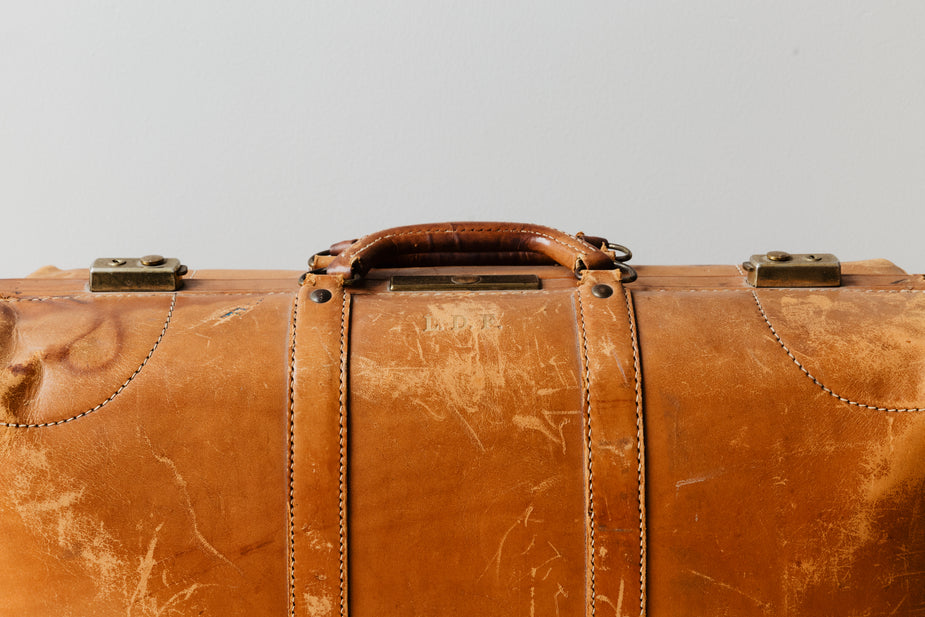
During the industrial era, leather was widely used for seating, straps, tool wraps, book bindings, and protective surfaces. In steampunk interiors, it bridges function and comfort. Leather softens hard materials while still feeling durable and utilitarian.
What Authentic Leather Looks Like
Authentic leather shows natural variation. Grain is irregular, pores are visible, and color is rarely uniform. Over time, leather develops creases, darkened areas, and softened edges where it is handled most. These changes add character rather than detract from it.
Surfaces that look perfectly smooth, evenly colored, or plasticky often indicate synthetic substitutes. Real leather tends to absorb light rather than reflect it, contributing to a matte or softly worn appearance.
Common Cheap Mistakes
Bonded leather and vinyl often crack, peel, or shine unnaturally with age. Overly glossy finishes feel modern and synthetic. Uniform color without variation can also make leather elements feel decorative rather than functional.
When Decorative Substitutes Can Work
Faux leather can work in secondary or low-contact applications, such as trim or decorative panels, if the texture is convincing and the finish is matte. As with other materials, substitutes are most believable when they are not pretending to be load-bearing or heavily used.
Care and Aging Notes
Leather ages through handling. Over time it softens, darkens slightly, and develops creases where it bends or is touched most. This kind of wear is desirable in steampunk interiors because it reflects long-term use rather than surface distressing.
Occasional conditioning means lightly replenishing oils that leather naturally loses as it ages. This helps prevent the surface from drying out, cracking, or becoming brittle. Proper conditioning absorbs into the leather rather than sitting on top of it, leaving the finish matte and flexible rather than shiny or sealed.
Conditioned leather should look slightly richer in tone but not glossy. If the surface feels slick, reflective, or stiff afterward, too much product has been used. In steampunk interiors, leather should feel worn-in and cared for, not polished, plasticky, or artificially aged.
Modern Materials and Where the Illusion Breaks
Modern materials are not automatically incompatible with steampunk interiors. Plastic and resin can work, but only under specific conditions. The key distinction is between visual authenticity and material authenticity. Traditional steampunk materials feel authentic because of what they are. Substitutes must earn credibility through how they look, feel, and are used.
Plastic and resin tend to fail when they pretend to be structural metals or primary materials. Lightweight parts, glossy finishes, and hollow sounds quickly break the illusion on contact. When substitutes are used successfully, they are usually secondary elements, chosen for form rather than function.
Resin and plastic work best when they are visually restrained. Matte or softly aged finishes, darker tones, and added visual weight help them blend into a material palette dominated by wood and metal. Small decorative elements, housings, trim, or accent details are often appropriate places for substitutes, especially when budget, weight, or mounting limitations matter.
The goal is plausibility, not purity. A steampunk interior does not require every object to be made from historical materials, but it does require that modern materials support the illusion rather than draw attention to themselves.
Common Patterns That Break the Illusion
Some materials fail not because they are modern, but because they undermine the visual and tactile cues steampunk relies on. These issues tend to repeat across many products and spaces.
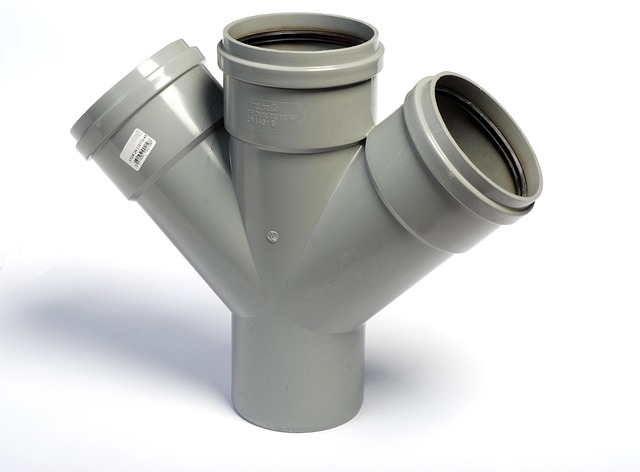
Lightweight Plastics Masquerading as Metal
Materials that look metallic at a distance but feel hollow or overly light often break the illusion on contact. Shiny gold or silver coatings without texture or variation usually read as decorative rather than functional.
MDF Pretending to Be Industrial
Medium-density fiberboard (MDF) is common in modern furniture, but it often struggles in steampunk interiors when styled to look structural or industrial. Flat surfaces, sharp uniform edges, and printed grain patterns lack the depth and irregularity of real wood or metal. MDF can work in secondary panels, but when it dominates desks, shelving, or frames, the space begins to feel manufactured rather than crafted.
High-Gloss Finishes
Highly reflective surfaces feel modern and synthetic, regardless of material. Glossy metals, lacquered wood, and shiny faux leather flatten depth and erase signs of age. Steampunk interiors benefit from matte, satin, or softly worn finishes instead.
Uniform Faux Distressing
Artificial aging that looks evenly applied often feels theatrical. Real wear develops unevenly, concentrating on edges, seams, and contact points. When distressing appears symmetrical or repetitive, it signals decoration rather than use.
Chrome and Cool-Toned Metals
Chrome and bright silvery finishes tend to evoke modern or futuristic aesthetics. Even when paired with gears or industrial forms, they often clash with the warmer, historically grounded palette steampunk interiors rely on.
Printed Textures and Flat Surfaces
Printed wood grain, faux leather patterns, and flat metal textures lack depth. Without variation, grain, or surface complexity, these materials struggle to hold up under close inspection.
Recognizing these patterns helps prevent small mistakes from accumulating. A steampunk interior rarely fails because of a single object. It usually falters when several illusion-breaking materials are allowed to dominate all at once.
Care Items
Understanding materials is only half the equation. How those materials are maintained over time is what preserves their character. The items below are not decorative centerpieces, but practical tools that help brass, iron, wood, and leather age well in real interiors. They help maintain patina, prevent damage, and keep materials looking intentional rather than neglected.
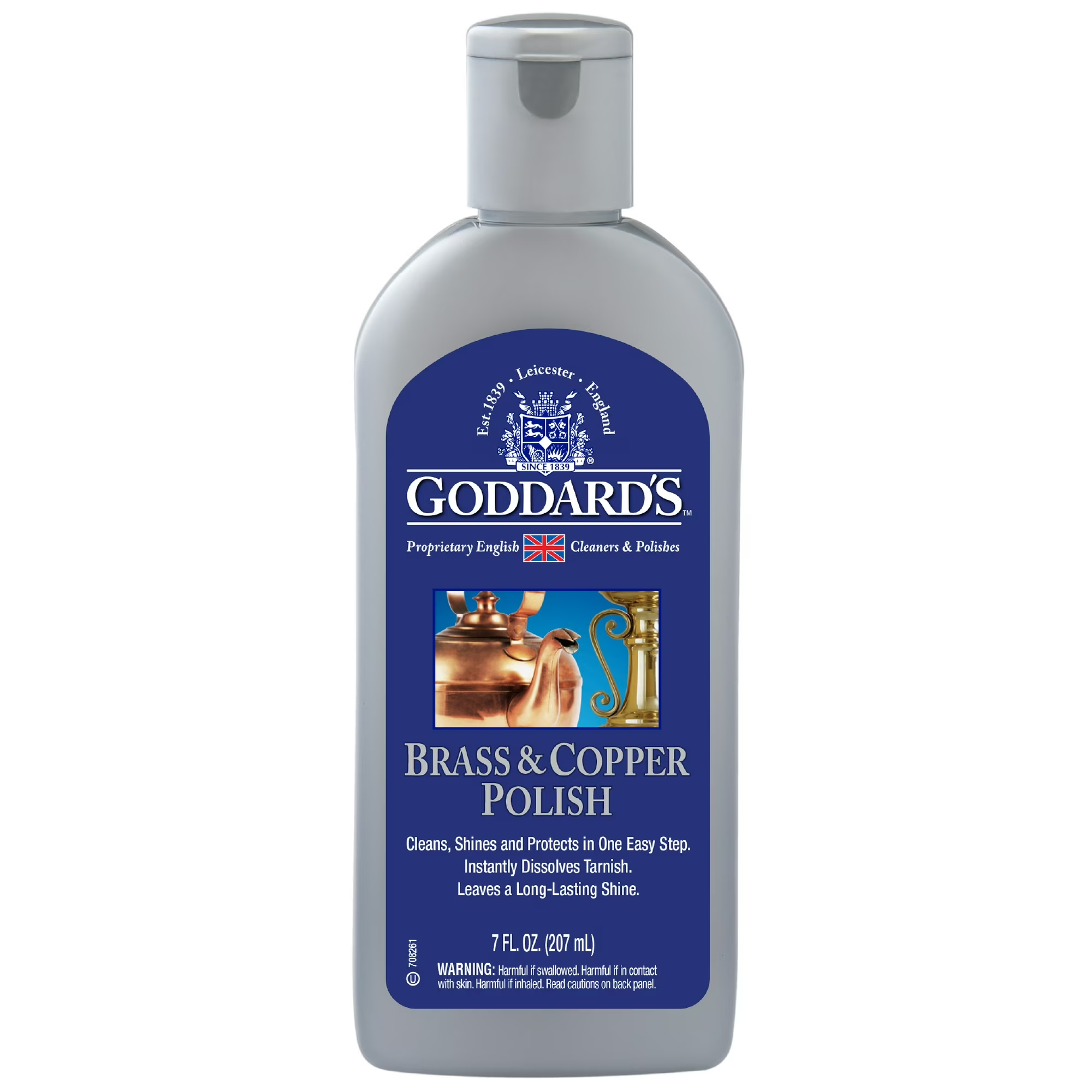
Goddard’s Brass and Copper Polish
Useful for selectively cleaning brass and copper when tarnish begins to obscure warmth or detail. Best used sparingly so natural patina remains part of the surface character.
$9.99

Renaissance Micro-Crystalline Wax Polish
A low-sheen protective wax that helps preserve metal, wood, and leather surfaces without adding gloss. Well suited for stabilizing aged materials while maintaining texture and depth.
$24.99
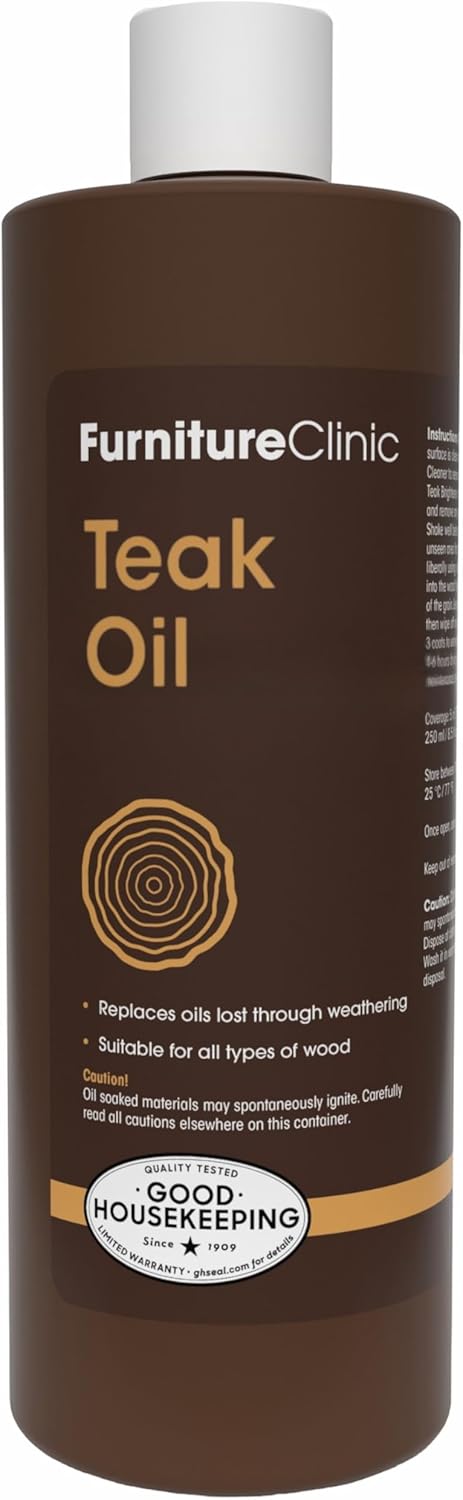
Furniture Clinic Teak Oil Wood Finish
A penetrating wood oil that replenishes natural oils and enhances visible grain without sealing or gloss. Useful for maintaining wood surfaces that should feel used and cared for, not refinished.
$17.95
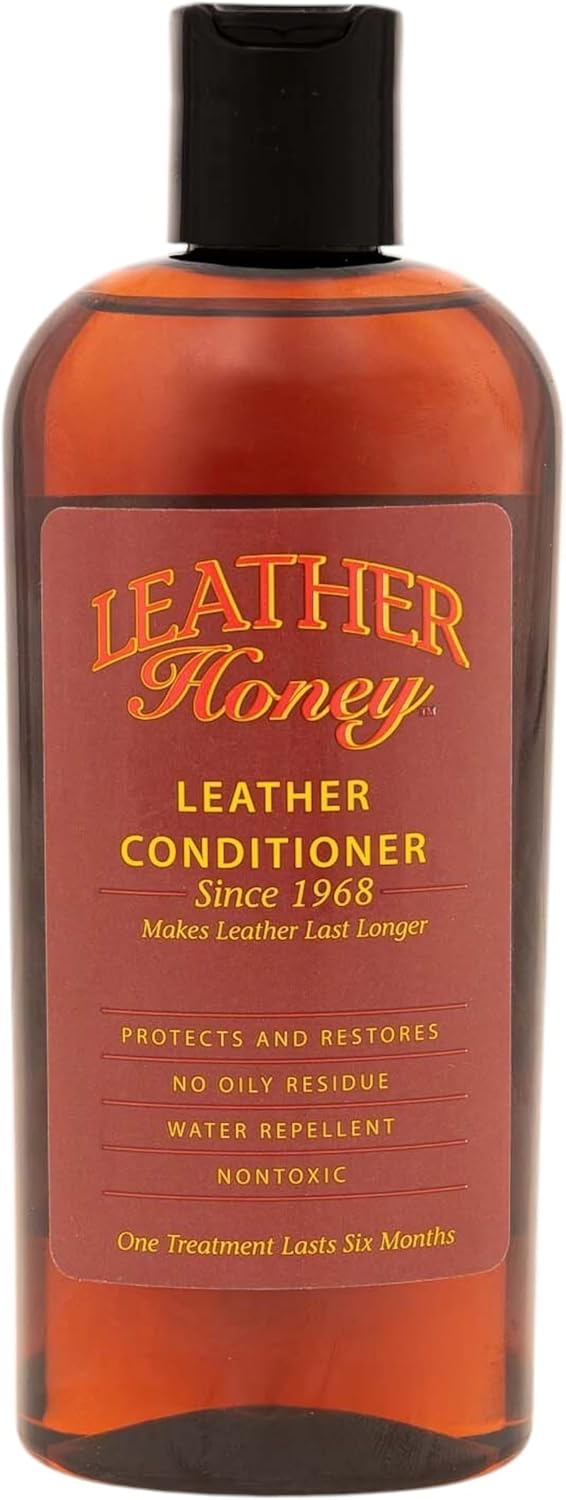
Leather Honey Leather Conditioner
Helps prevent leather from drying or cracking while allowing natural wear and creasing to develop. Supports a maintained, worn-in look rather than a polished finish.
$19.99
Conclusion
Steampunk interiors are not defined by how many gears or gadgets they contain, but by how convincingly their materials suggest use, history, and purpose. Brass, iron, wood, and leather do most of the work long before decoration enters the picture. When those foundations feel right, the style holds together naturally.
Understanding materials is less about strict rules and more about intent. Authenticity comes from weight, texture, aging, and restraint. Even modern substitutes can work when they support the illusion rather than compete with it.
Once you understand how materials behave, it becomes easier to evaluate complete setups and finished pieces. Lamps, desks, and furniture start to make sense not just by how they look, but by how their materials shape the atmosphere they create. If you want to see these principles applied to real spaces and objects, the following guides translate material literacy into practical layouts and curated builds:
- Steampunk Desk Lamps Under $50: Affordable & Authentic
- How to Assemble an Industrial Steampunk Writing Desk Setup
Material literacy makes steampunk easier to build and harder to get wrong. Whether you are choosing a single object or shaping an entire workspace, it gives you control over the feeling a space communicates.